
Sumber : The New England Journal Of Medicine, Volume 348:800-807, Februari 27, 2003, Number 9
Adefovir Dipivoxil for the Treatment of Hepatitis B e Antigen–Negative Chronic Hepatitis B
Stephanos J. Hadziyannis, M.D., Nicolaos C. Tassopoulos, M.D., E. Jenny Heathcote, M.D., Ting-Tsung Chang, M.D., George Kitis, M.D., Mario Rizzetto, M.D., Patrick Marcellin, M.D., Seng Gee Lim, M.D., Zachary Goodman, M.D., Michael S. Wulfsohn, M.D., Ph.D., Shelly Xiong, Ph.D., John Fry, B.Sc., Carol L. Brosgart, M.D., for the Adefovir Dipivoxil 438 Study Group
ABSTRACT

Background Adefovir dipivoxil, a nucleotide analogue, demonstrated clinically significant antiviral activity in patients with chronic hepatitis B in phase 1 and 2 clinical trials.
Methods We randomly assigned 185 patients with chronic hepatitis B who were negative for hepatitis B e antigen (HBeAg) to receive either 10 mg of adefovir dipivoxil or placebo once daily for 48 weeks in a 2:1 ratio and a double-blind manner. The primary end point was histologic improvement.
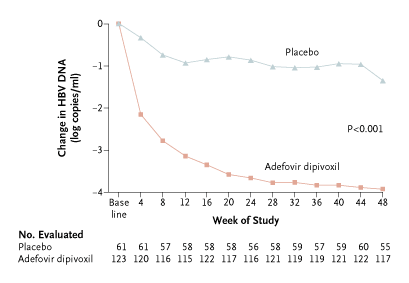
Results At week 48, 64 percent of patients who had base-line liver-biopsy specimens available in the adefovir dipivoxil group had improvement in histologic liver abnormalities (77 of 121), as compared with 33 percent of patients in the placebo group (19 of 57, P<0.001). Serum hepatitis B virus (HBV) DNA levels were reduced to fewer than 400 copies per milliliter in 51 percent of patients in the adefovir dipivoxil group (63 of 123) and in 0 percent of those in the placebo group (0 of 61, P<0.001). The median decrease in log-transformed HBV DNA levels was greater with adefovir dipivoxil treatment than with placebo (3.91 vs. 1.35 log copies per milliliter, P<0.001). Alanine aminotransferase levels had normalized at week 48 in 72 percent of patients receiving adefovir dipivoxil (84 of 116), as compared with 29 percent of those receiving placebo (17 of 59, P<0.001). No HBV polymerase mutations associated with resistance to adefovir were identified. The safety profile of adefovir dipivoxil was similar to that of placebo.
Conclusions In patients with HBeAg-negative chronic hepatitis B, 48 weeks of adefovir dipivoxil treatment resulted in significant histologic, virologic, and biochemical improvement, with an adverse-event profile similar to that of placebo. There was no evidence of the emergence of adefovir-resistant HBV polymerase mutations.
More than 350 million people worldwide are chronically infected with hepatitis B virus (HBV). Complications of chronic hepatitis B, such as cirrhosis, hepatocellular carcinoma, and end-stage liver disease, account for approximately 1 million deaths each year.1 Liver injury seems to be particularly severe and rapidly progressive in patients with chronic hepatitis B who are negative for serum hepatitis B e antigen (HBeAg) and positive for antibodies against HBeAg (anti-Hbe), but in whom clinically significant HBV replication persists.2 For the most part, HBeAg-negative chronic hepatitis B is due to HBV mutations that suppress synthesis of HBeAg. Most patients with HBeAg-negative, anti-HBe–positive, and HBV DNA–positive chronic hepatitis B harbor HBV variants with mutations in the precore or core promoter region.3 (The core region encodes HBeAg.) This form of the disease occurs throughout the world and is more common than was previously believed.4,5 In the Mediterranean region and Southeast Asia, 50 to 80 percent of patients with chronic hepatitis B have HBeAg-negative disease.2,6 Because of its high endemicity and chronicity, HBeAg-negative chronic hepatitis B has become a major public health concern.
No optimally effective and tolerable treatment is available for patients with HBeAg-negative chronic hepatitis B. Interferon alfa has antiviral and immunomodulatory effects that can induce virologic and biochemical remission in such patients, but the response is seldom sustained after the termination of treatment.12 In addition, long-term treatment with interferon alfa is problematic because of the frequent adverse effects and the need for parenteral administration. Lamivudine is a well-tolerated, orally administered agent that suppresses HBV replication in HBeAg-negative patients. Most patients who have a response to lamivudine therapy relapse once treatment is stopped.13,14 However, the benefit of long-term maintenance treatment with lamivudine is compromised by the development of drug resistance. Lamivudine-resistant viral mutants have been reported in up to 32 percent of patients after one year of treatment with lamivudine.15 This complication is particularly important, since patients with HBeAg-negative chronic hepatitis B are especially likely to need sustained therapy to prevent long-term sequelae, because they rarely have hepatitis B surface antigen (HBsAg) seroconversion.
Adefovir dipivoxil (Hepsera, Gilead Sciences) is an oral prodrug of adefovir, a phosphonate nucleotide analogue of AMP with potent activity against the polymerase activity of hepadnaviruses, retroviruses, and herpesviruses.16 Preliminary clinical trials showed that it decreased serum HBV DNA and alanine aminotransferase levels at doses of 5, 30, and 60 mg per day in both HBeAg-positive and HBeAg-negative patients with chronic hepatitis B and resulted in HBeAg seroconversion in HBeAg-positive patients.17,18 Treatment has been found to be safe and well tolerated, with a low incidence of adverse events, and no adefovir-resistant HBV polymerase mutations have been reported to date.
We conducted this placebo-controlled study to investigate the safety and efficacy of 48 weeks of treatment with adefovir dipivoxil at a dose of 10 mg once daily in patients with HBeAg-negative chronic hepatitis B. We report the 48-week results, but the study is ongoing and will continue for up to 5 years. When the study was designed, lamivudine was still an investigational agent; therefore, placebo was selected as the control.
METHODS
Study Design
This multicenter, double-blind, placebo-controlled trial was conducted at 32 sites in Canada, Greece, Israel, France, Italy, Australia, Taiwan, and Singapore. Patients were enrolled between January 10, 2000, and June 7, 2000. The study was conducted in compliance with the Declaration of Helsinki and approved by appropriate regulatory bodies at all centers. All patients gave written informed consent. Patients were randomly assigned in a double-blind manner to receive 10 mg of oral adefovir dipivoxil or placebo once daily for 48 weeks in a 2:1 ratio. The central randomization was stratified according to five geographic regions. Permuted blocks (with a block size of six) were used in each stratum.
Liver biopsies were required within six months before screening or before receiving study treatment and at week 48. Virologic and biochemical assessments (serum HBV DNA and alanine aminotransferase levels, prothrombin time, and blood chemical tests) and adverse-event monitoring were conducted every four weeks. Serum creatinine and phosphorus levels were assayed at base line and every four weeks thereafter to monitor renal function. Genotypic analyses of HBV mutations were performed at base line and week 48. Although patients with a total Knodell score below 2 were eligible, there were no such patients in the study. After week 48, patients who were assigned to adefovir dipivoxil were randomly reassigned to receive either continued treatment or placebo. Patients who had originally received placebo were assigned to receive adefovir dipivoxil. This part of the study is ongoing and remains blinded.
Clinical data were collected, monitored, and entered into a data base by Quintiles, a contract research organization. Laboratory tests were conducted by Covance. The sponsor held the data and conducted the statistical analyses. Academic investigators had access to the data. Each author made a substantial contribution to the study design, the interpretation of the results, or the drafting or revising of the article; all approved the final manuscript.
Patients
Male and female patients 16 to 65 years of age who had HBeAg-negative chronic hepatitis B and compensated liver disease were eligible. Chronic hepatitis B was defined by the presence of detectable HBsAg for at least six months, undetectable HBeAg, detectable anti-HBe, a serum HBV DNA level of at least 105 copies per milliliter, and an alanine aminotransferase level between 1.5 and 15 times the upper limit of the normal range. Patients had to have a total bilirubin level of no more than 2.5 mg per deciliter (42.7 µmol per liter), a prothrombin time that was no more than one second above the normal range, a serum albumin level that was at least 3 g per deciliter, a serum creatinine level of no more than 1.5 mg per deciliter (133 µmol per liter), and an adequate blood count.
Criteria for exclusion included a coexisting serious medical or psychiatric illness; immune globulin, interferon, or other immune- or cytokine-based therapies with possible activity against HBV disease within 6 months before screening; organ or bone marrow transplantation; recent treatment with systemic corticosteroids, immunosuppressants, or chemotherapeutic agents; a serum alpha-fetoprotein level of at least 50 ng per milliliter; evidence of a hepatic mass; liver disease that was not due to hepatitis B; prior therapy for more than 12 weeks with a nucleoside or nucleotide analogue with activity against HBV; and seropositivity for human immunodeficiency virus or hepatitis C or D virus.
End Points
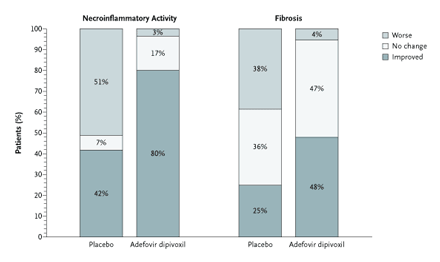
The primary, predefined efficacy end point was histologic improvement, defined as a reduction of at least 2 points in the Knodell necroinflammatory score, with no concurrent worsening of the Knodell fibrosis score.19 Knodell scores were assessed by an independent histopathologist who was unaware of the patients’ treatment assignments and the timing of liver biopsy. Ranked assessments of necroinflammatory activity and fibrosis (improved, no change, or worse) were also performed.
Secondary end points included the change from base line in serum HBV DNA levels, the effect of treatment on alanine aminotransferase levels, and the proportion of patients with HBsAg seroconversion. Serum HBV DNA was measured by the Roche Amplicor polymerase-chain-reaction (PCR) assay, with a lower limit of detection of 400 copies per milliliter.
Safety Analysis
The primary safety analysis included all patients who received at least one dose of study medication and all events that occurred during treatment or within 30 days after the discontinuation of study drug. The severity of adverse events and laboratory abnormalities was graded according to the Common Toxicity Criteria of the National Institute of Allergy and Infectious Diseases.20
Resistance Surveillance
HBV DNA was isolated from serum samples at base line and week 48 and amplified by PCR. The positive and negative strands of the HBV polymerase gene spanning the polymerase–reverse-transcriptase domain (amino acids 349 to 692) were sequenced. The HBV sequences of samples obtained at base line and week 48 from the same patient were aligned with the MegAlign program (DNAStar).
Statistical Analysis
The study was designed to enroll 180 patients and to have at least 90 percent power to detect an absolute difference of 30 percent between groups (60 percent vs. 30 percent) with respect to the primary end point, assuming that 25 percent of patients would have missing biopsy specimens at week 48 or base-line Knodell scores of less than 2 and would therefore be counted as having no response and that 8 percent would have missing biopsy specimens at base line and would thus be excluded from the primary efficacy analysis.
 level of 0.05. All confidence intervals, significance tests, and resulting P values were two-sided, with an level of 0.05. All HBV DNA values that were less than 400 copies per milliliter were considered to be at the lower limit of detection (400 copies per milliliter). No interim analyses were performed on these data other than safety-data summaries, which were prepared every six months for a review by the independent, external data-monitoring committee.
RESULTS
Characteristic of the Patients
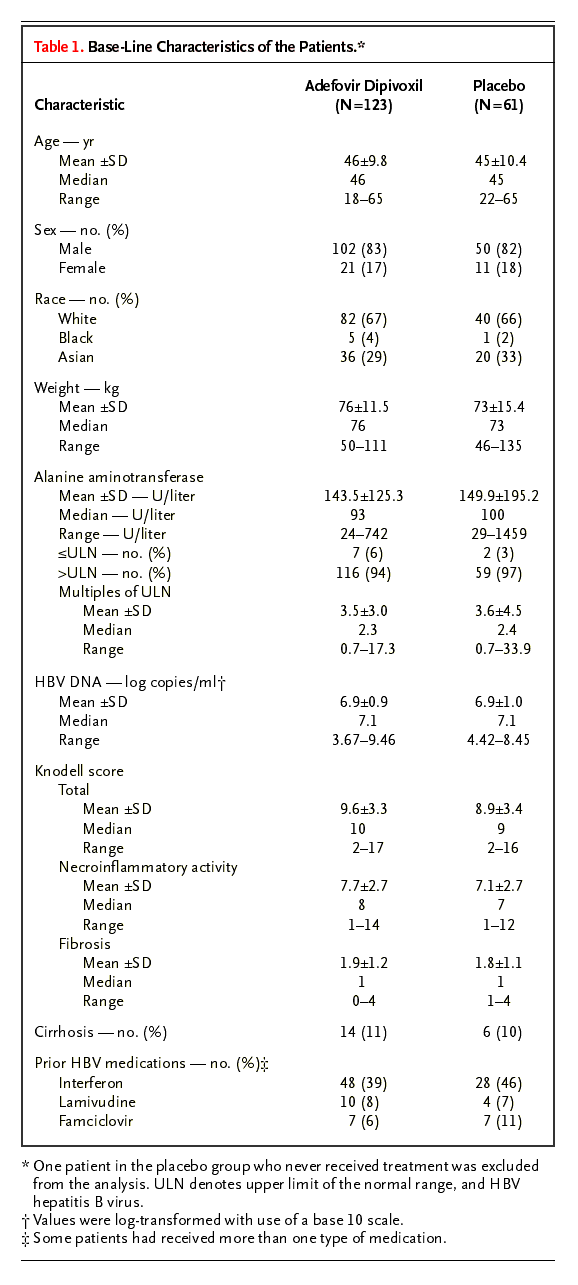
Of the 185 patients, 123 were randomly assigned to receive 10 mg of adefovir dipivoxil per day, and 62 to receive placebo. One patient who was assigned to receive placebo never received treatment and was excluded from all analyses. Demographic and other base-line characteristics were similar in the two study groups (Table 1). Seventy-six patients (41 percent) had previously been treated with interferon alfa.
Histologic Response
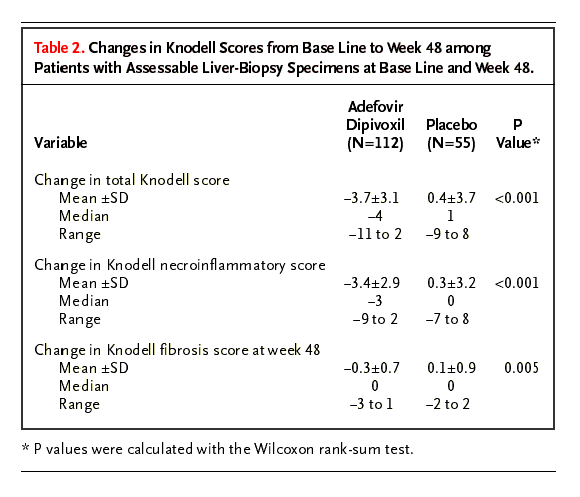
The primary analysis was based on 178 patients (97 percent) with assessable base-line liver-biopsy specimens. A total of 167 patients (91 percent) had assessable pretreatment and post-treatment liver-biopsy specimens. Significantly more patients in the adefovir dipivoxil group than in the placebo group had histologic improvement, as defined by a reduction of at least two points in the Knodell necroinflammatory score, with no worsening of fibrosis, the primary efficacy end point (77 of 121 [64 percent] vs. 19 of 57 [33 percent]; P<0.001; absolute difference, 30.3 percent; 95 percent confidence interval for the difference, 15.4 to 45.2).
Virologic Response
At week 48, significantly more patients in the adefovir dipivoxil group than in the placebo group had normalized alanine aminotransferase levels (84 of 116 [72 percent] vs. 17 of 59 [29 percent], P<0.001). The median decrease in alanine aminotransferase levels from base line to 48 weeks was 55 U per liter in the adefovir dipivoxil group and 38 U per liter in the placebo group (P=0.01).
Resistance Profile
Adverse Events
Discussion
The goal of therapy for patients with HBeAg-negative chronic hepatitis B is to arrest or slow the progression of HBV-associated hepatic injury, which can otherwise result in cirrhosis and hepatocellular carcinoma.9,10 In contrast to HBeAg-positive patients, in whom stopping therapy is a possibility in the event of HBeAg seroconversion associated with the normalization of alanine aminotransferase levels and suppression of HBV DNA, the majority of patients with HBeAg-negative chronic hepatitis B are likely to require long-term therapy. In most HBeAg-negative patients, in the absence of HBsAg seroconversion, HBV DNA replication recurs and alanine aminotransferase levels become elevated after therapy is stopped.13,14 Therefore, therapy for HBeAg-negative hepatitis B must result in sustained antiviral suppression and have a low likelihood of the emergence of resistance.
We found that 48 weeks of treatment with adefovir dipivoxil, an orally administered nucleotide analogue, results in histologic, virologic, and biochemical responses without inducing viral resistance or clinically significant adverse events in patients with HBeAg-negative chronic hepatitis B. Sequencing of the HBV polymerase gene demonstrated that there were no polymerase gene mutations associated with resistance to adefovir. This finding is in contrast to the experience with lamivudine and consistent with the findings of earlier studies in which no HBV polymerase mutations associated with resistance to adefovir were identified in patients with HBeAg-positive or HBeAg-negative chronic hepatitis B who were treated with adefovir dipivoxil for up to 136 weeks.21,22
The majority of the patients who received adefovir dipivoxil had a decrease in necroinflammatory activity and fibrosis. Previous trials of adefovir dipivoxil therapy for HBeAg-positive chronic hepatitis B have had similar results.23 In contrast, many patients in the placebo group had an increase in both necroinflammatory activity and fibrosis over the course of the study.
Serum HBV DNA levels decreased rapidly after the commencement of adefovir dipivoxil therapy and continued to decline throughout the 48 weeks of treatment, a result consistent with the previously observed antiviral effect of this agent.18,23,24,25,26,27 Serum HBV DNA levels were below the lower limit of detection (fewer than 400 copies per milliliter) in 51 percent of the patients given adefovir dipivoxil, as compared with 0 percent in the placebo group. Comparisons of the ability of various antiviral agents, including lamivudine and interferon, to suppress the activity of HBV DNA to undetectable levels are complicated by the use of assays of different sensitivities. Many studies of other agents have used molecular hybridization assays in which the lower limit of detectability is as high as 1 million copies per milliliter.
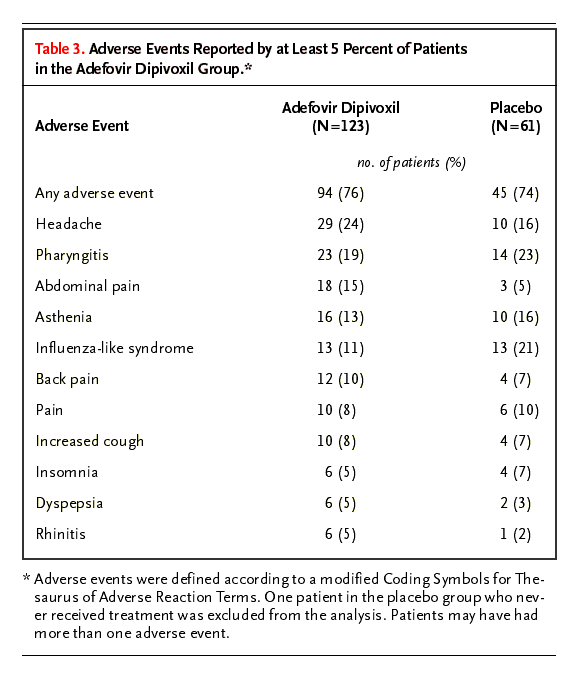
Adefovir dipivoxil was well tolerated. None of the patients withdrew from the study because of an adverse event attributable to treatment with adefovir dipivoxil. Except for elevations in aminotransferase levels, which occurred more often among placebo recipients, severe (grade 3 or 4) adverse events occurred with similar frequencies in the adefovir dipivoxil and placebo groups. The overall adverse-event profile of a 10-mg dose of adefovir dipivoxil was similar to that of placebo, and there were no changes in renal variables, such as were reported with higher doses (30 mg or more).
Treatment with adefovir dipivoxil improved histologic liver abnormalities, reduced serum HBV DNA levels, and normalized alanine aminotransferase levels. The absence of resistance mutations during 48 weeks of therapy is a potentially important advantage, since the majority of patients with HBeAg-negative chronic hepatitis B will require long-term therapy.
Supported by Gilead Sciences.
Drs. Wulfsohn, Xiong, and Brosgart and Mr. Fry are employees of Gilead Sciences and have reported equity ownership in Gilead Sciences. Drs. Hadziyannis, Heathcote, Marcellin, and Goodman report having served as consultants to Gilead Sciences. Drs. Hadziyannis and Marcellin report having served as paid lecturers for Gilead Sciences.
* Other members of the Adefovir Dipivoxil 438 Study Group are listed in the Appendix.
Source Information
From the Department of Medicine and Hepatology, Henry Dunant Hospital, Athens, Greece (S.J.H.); Western Attica General Hospital, Athens, Greece (N.C.T.); Toronto Western Hospital, University of Toronto, Toronto (E.J.H.); the Department of Internal Medicine, National Cheng Kung University Hospital, Tainan, Taiwan (T.-T.C.); Georgios Papanikolaou Hospital, Thessaloniki, Greece (G.K.); Azienda Ospedaliera San Giovanni Battista, Turin, Italy (M.R.); Service d’Hépatologie, INSERM Unité 481, and Centre de Recherche Claude Bernard sur les Hépatites Virales, Hôpital Beaujon, Clichy, France (P.M.); the Division of Gastroenterology, National University Hospital, Singapore (S.G.L.); the Armed Forces Institute of Pathology, Washington, D.C. (Z.G.); and Gilead Sciences, Foster City, Calif. (M.S.W., S.X., J.F., C.L.B.).
References
- Hepatitis B. Fact sheet WHO/204. Geneva: World Health Organization, October 2000. (Accessed January 7, 2003, at http://www.who.int/inf-fs/en/fact204.htm.)
- Hadziyannis SJ. Hepatitis B e antigen negative chronic hepatitis B: from clinical recognition to pathogenesis and treatment. Viral Hepat Rev 1995;1:7-36.
- Lok ASF, McMahon BJ. Chronic hepatitis B. Hepatology 2001;34:1225-1241.
- Hadziyannis SJ, Vassilopoulos D. Hepatitis B e antigen-negative chronic hepatitis B. Hepatology 2001;34:617-624.
- Funk ML, Rosenberg DM, Lok AS. World-wide epidemiology of HBeAg-negative chronic hepatitis B and associated precore and core promoter variants. J Viral Hepat 2002;9:52-61.
- Lindh M, Horal P, Dhillon AP, Furuta Y, Norkrans G. Hepatitis B virus carriers without precore mutations in hepatitis B e-antigen negative stage show more severe liver damage. Hepatology 1996;24:494-501.
- Bonino F, Rosina F, Rizzetto M, et al. Chronic hepatitis in HBsAg carriers with serum HBV-DNA and anti-HBe. Gastroenterology 1986;90:1268-1273.
- Lok AS, Heathcote EJ, Hoofnagle JH. Management of hepatitis B: 2000 — summary of a workshop. Gastroenterology 2001;120:1828-1853.
- Hadziyannis S, Bramou T, Makris A, Moussoulis G, Zignego L, Papaioannou C. Interferon alfa-2b treatment of HBeAg negative/serum HBV DNA positive chronic active hepatitis type B. J Hepatol 1990;11:Suppl 1:S133-S136.
- Brunetto MR, Oliveri F, Demartini A, et al. Treatment with interferon of chronic hepatitis B associated with antibody to hepatitis B e antigen. J Hepatol 1991;13:Suppl 1:S8-S11.
- Lin SM, Sheen IS, Chien RN, Chu CM, Liaw YF. Long-term beneficial effect of interferon therapy in patients with chronic hepatitis B virus infection. Hepatology 1999;29:971-975.
- Manesis EK, Hadziyannis SJ. Interferon treatment and retreatment of hepatitis B e antigen-negative chronic hepatitis B. Gastroenterology 2001;121:101-109.
- Santantonio T, Mazzola M, Iacovazzi T, Miglietta A, Guastadisegni A, Pastore G. Long-term follow-up of patients with anti-HBe/HBV DNA-positive chronic hepatitis B treated for 12 months with lamivudine. J Hepatol 2000;32:300-306.
- Tassopoulos NC, Volpes R, Pastore G, et al. Post lamivudine treatment follow up of patients with HBeAg negative chronic hepatitis B. J Hepatol 1999;30:Suppl 1:117-117. abstract.
- Dienstag JL, Schiff ER, Wright TL, et al. Lamivudine as initial treatment for chronic hepatitis B in the United Sates. N Engl J Med 1999;341:1256-1263.
- De Clercq E. Antiviral activity spectrum and target of action of different classes of nucleoside analogues. Nucl Nucl Nucleic Acids 1994;13:1271-95.
- Heathcote EJ, Jeffers L, Wright T, et al. Loss of serum HBV DNA and HBeAg and seroconversion following short-term (12 weeks) adefovir dipivoxil therapy in chronic hepatitis B: two placebo-controlled phase II studies. Hepatology 1998;28:Suppl:317A-317A. abstract.
- Heathcote, EJ, Jeffers L, Perrillo R, et al. Serum HBV DNA suppression and seroconversion following long-term adefovir dipivoxil therapy in chronic hepatitis B patients. Hepatology 2001;34:316A-316A. abstract.
- Knodell RG, Ishak KG, Black WC, et al. Formulation and application of a numerical scoring system for assessing histological activity in asymptomatic chronic active hepatitis. Hepatology 1981;1:431-435.
- Common toxicity criteria, version 2. Bethesda, Md.: National Cancer Institute, 1999. (Accessed February 4, 2003, at http://ctep.info.nih.gov.)
- Lau DT-Y, Khokhar MF, Doo E, et al. Long-term therapy of chronic hepatitis B with lamivudine. Hepatology 2000;32:828-834.
- Yang H, Westland CE, Delaney WE, et al. Resistance monitoring in chronic hepatitis B patients exposed to adefovir dipivoxil for 72 to 136 weeks. Hepatology 2001;34:316A-316A. abstract.
- Marcellin P, Chang T-T, Lim SG, et al. Adefovir dipivoxil for the treatment of hepatits Be antigen-positive chronic hepatitis B. N Engl J Med 2003;348:808-816.
- Perrillo R, Schiff E, Hann H-WL, et al. The addition of adefovir dipivoxil to lamivudine in decompensated chronic hepatitis B patients with YMDD variant HBV and reduced response to lamivudine — preliminary 24 week results. Hepatology 2001;34:349A-349A. abstract.
- Schiff ER, Neuhaus P, Tillmann H, et al. Safety and efficacy of adefovir dipivoxil for the treatment of lamivudine resistant HBV in patients post liver transplantation. Hepatology 2001;34:446A. abstract .
- Perrillo R, Schiff E, Yoshida E, et al. Adefovir dipivoxil for the treatment of lamivudine-resistant hepatitis B mutants. Hepatology 2000;32:129-134.
- Benhamou Y, Bochet M, Thibault V, et al. Safety and efficacy of adefovir dipivoxil in patients co-infected with HIV-1 and lamivudine-resistant hepatitis B virus: an open-label pilot study. Lancet 2001;358:718-723.
Appendix
In addition to the authors, the Adefovir Dipivoxil International Investigator 438 Study Group includes the following persons: A. Alberti and S. Boccato (Universitá di Padova, Padua, Italy); G.D. Anagnostopoulus (Western Attica Hospital, Athens, Greece); P. Angus and R. Vaughan (Austin and Repatriation Medical Centre, Melbourne, Australia); K. Barange and J.-M. Conbis (Hôpital Purpan, Toulouse, France); F. Bonino and B. Coco (Azienda Ospedaliera Pisana, Pisa, Italy); C.-H. Wu and K.-C. Tseng (National Cheng Kung University Hospital, Tainan, Taiwan); G. Cooksley and G. MacDonald (Royal Brisbane Hospital, Brisbane, Australia); P. Desmond and S. Brown (St. Vincent’s Hospital, Melbourne, Australia); A. Francavilla and F. Malcangi (Azienda Ospedaliera Consorziale Policlinico, Bari, Italy); G. Papatheodoridis and V. Sevastianos (Henry Dunant Hospital, Athens, Greece); K. Kaita and G.Y. Minuk (University of Manitoba Health Sciences Centre, Winnipeg, Man., Canada); Y.-F. Liaw and R.-N. Chien (Chang Gung Memorial Hospital, Taipei, Taiwan); Y.-Y. Dan (National University Hospital, Singapore); Y. Lurie and R. Pakula (Tel Aviv Sourskey Medical Center, Tel Aviv, Israel); L. Castelnau and N. Boyer (Hôpital Beaujon, Clichy, France); M. Ngu (Concord Repatriation General Hospital, Concord, Australia); E. Nussenson and O. Segol (Haemek Hospital, Afula, Israel); G. Pastore (Azienda Ospedaliera Consorziale, Bari, Italy); M. Lagget (Azienda Ospedaliera San Giovanni Battista, Turin, Italy); S. Sacks and J. Farley (Viridae Clinical Sciences, Vancouver, B.C., Canada); D. Samuel and J. Duches-Villie (Hôpital Paul Brousse, Villejuif, France); M. Sherman and A. Bartolucci (Toronto General Hospital, Toronto); W. Sievert, A. Dev, and S. Warner (Monash Medical Centre, Clayton, Australia); C. Trépo and M. Maynard (Hôtel Dieu, Lyons, France); D. Vetter and S. Metzger (Hôpital Civil de Strasbourg, Strasbourg, France); J.-P. Villeneuve and B. Willems (Centre Hospitalier Universitairé de Montréal Campus Saint-Luc, Montreal); S.S. Chen, C. James, M. Kraus, J. Ma, S. Nonaka-Wong, J. Rooney, and M. Wollman (Gilead Sciences, Foster City, Calif.); N. Virk and O. Cohen (Quintiles, Rockville, Md., and Bracknell, Berkshire, United Kingdom); and D. Hunt (Covance, Lafayette, Ind.).
——- end